Call

Email

Newsletter

Facts and National Resources

Home » Facts and National Resources

1 in 8 Women in the United States will be Diagnosed with Breast Cancer

Unfortunately, breast cancer can happen to anyone at any time. Staying up to date on breast cancer statistics and facts alongside regular screening can help catch it before it’s too late.

National Breast Cancer Statistics
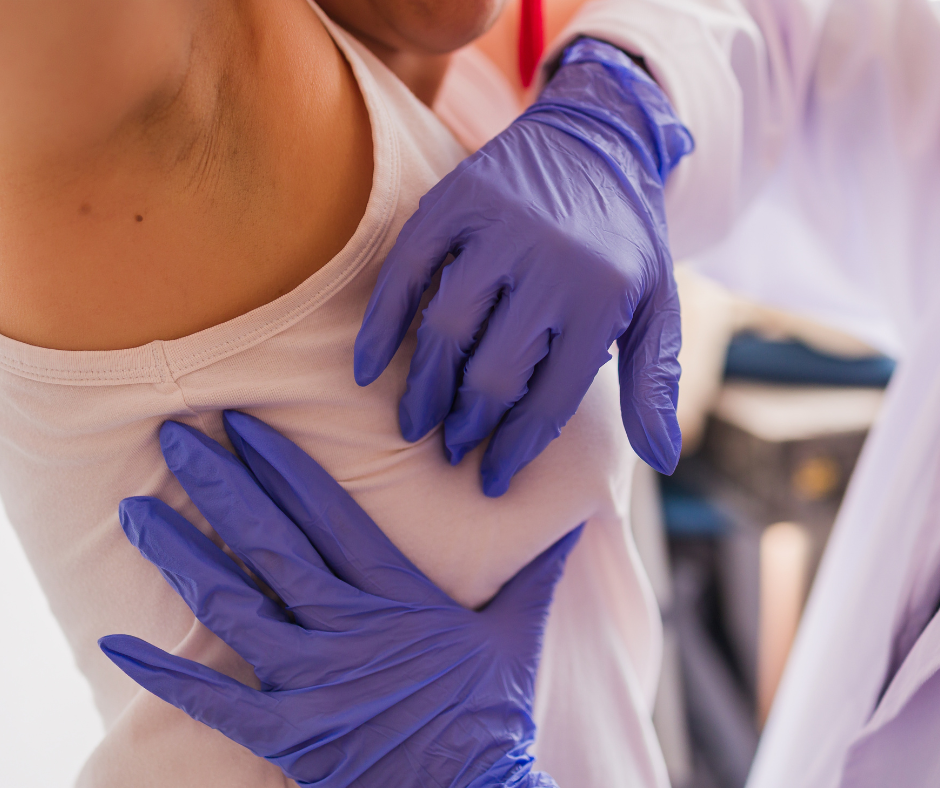
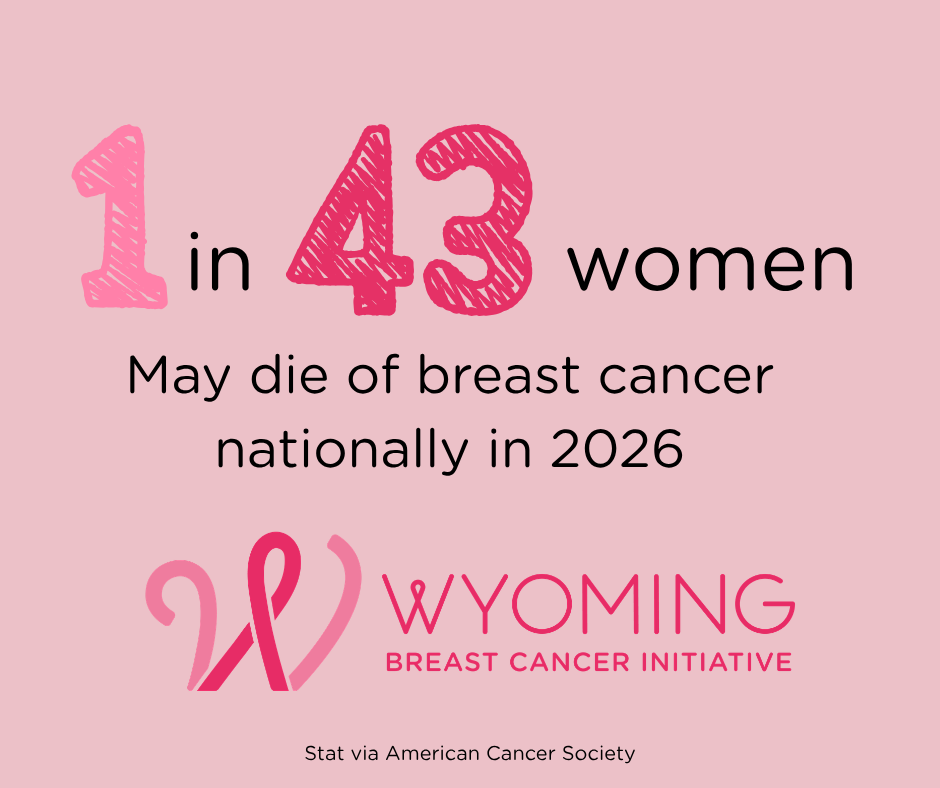
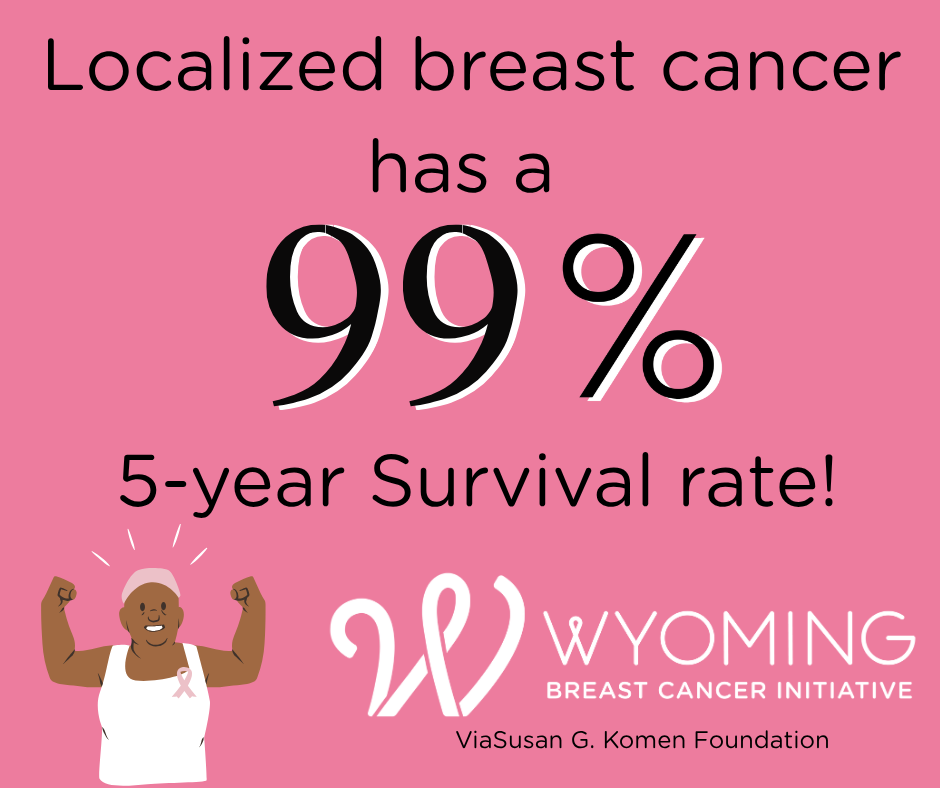
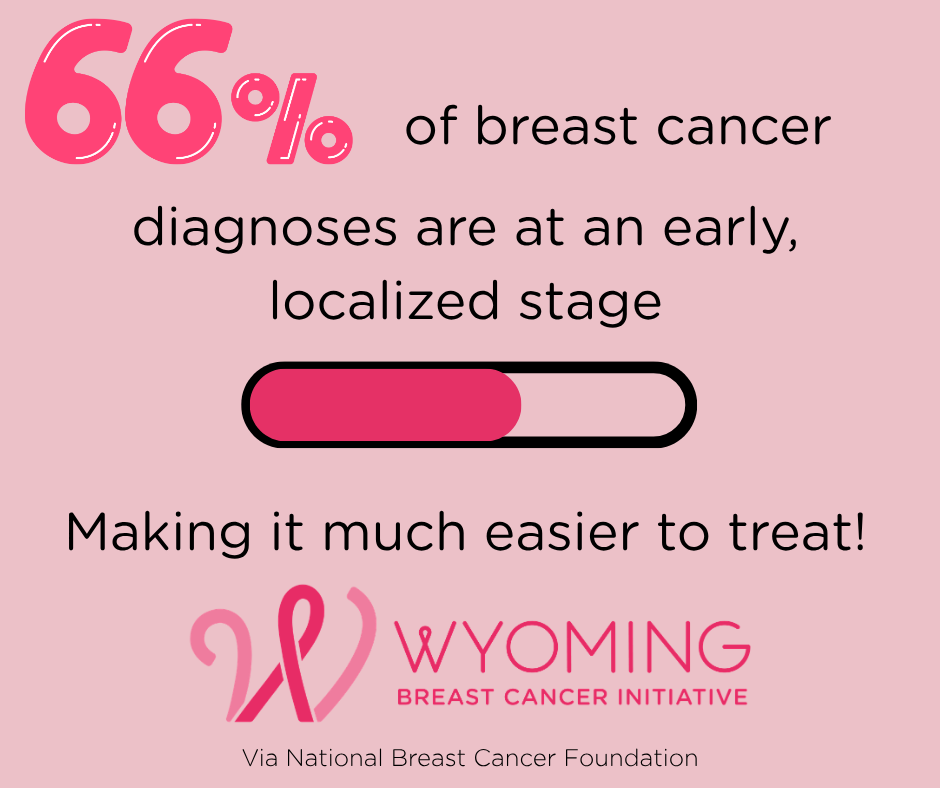
In late 2025, breast cancer is the most common form of cancer for women in America after skin cancers. Roughly 1/3 of all cancer diagnoses for women are breast cancer. It is unfortunately very common but fairly treatable if caught early enough.

This is the biggest source of research around breast cancer. Right now, an estimated 70% of breast cancer diagnoses have no explainable cause or inciting incident. All we know is that, like most cancer, breast cancer comes from damage to your DNA

Genetics: 5-10% of breast cancer comes from genes that were passed down from family members. The most common genes are BRCA 1 and BRCA 2, but there are other genes that incite cancer growth. Overall, if you know a family member who has ever been diagnosed with breast cancer, you should take more care with screening and risk factors.

Risk Factors: About 20% of breast cancers come from an inciting risk factor. There is a wide range of risk factors that have been identified as increasing the likelihood of breast cancer. Genetic risk factors include age, family history, menstrual and reproductive history, dense breast tissue, and race. Environmental risk factors include: lack of exercise, drinking alcohol, poor diet, hormone replacement treatment, environmental pollution, and more.

Although breast cancer is deeply gendered, men do get breast cancer! About 1% of men develop breast cancer. Your likelihood increases with family cancer history.

Men have a rather significant mortality rate over women, primarily because a lack of self-screening leads to cancer being caught in late stages. Men should perform self-breast exams, especially around the nipple, periodically in the same pattern that women perform breast exams.

Race plays an interesting role in breast cancer and breast cancer advocacy. On average, Caucasian women are diagnosed with breast cancer more often than women of other races and ethnicities.

Women of color, however, have mortality rates double that of white women. Black women, specifically, often experience later stages of breast cancer because of a mix of explanations. Lack of awareness of preventive care, barriers to healthcare (including geographic and financial), and a lack of guidance in the healthcare world. Therefore, race plays an important part in screening, diagnosis, and mortality.

The average age of breast cancer diagnosis is 62 years old. Breast cancer is often a disease that impacts women later in life, mostly after menopause. This is why the federal recommendation is to start mammograms between the ages of 40 and 50, depending on your risk level and signs.

However, we have seen an increase in young women being diagnosed. This is deeply concerning because being diagnosed under the age of 40 often increases the chance of recurrence and death by 40%. That is why it’s important to self-screen no matter your age, so you can catch it as early as possible.

At what age do you stop getting mammograms? Well, it is recommended that you continue to get mammograms until the age of 75, given that you have a consistent history of clean screening results. You should ask your provider to see if this fits with your health plan based on risks.

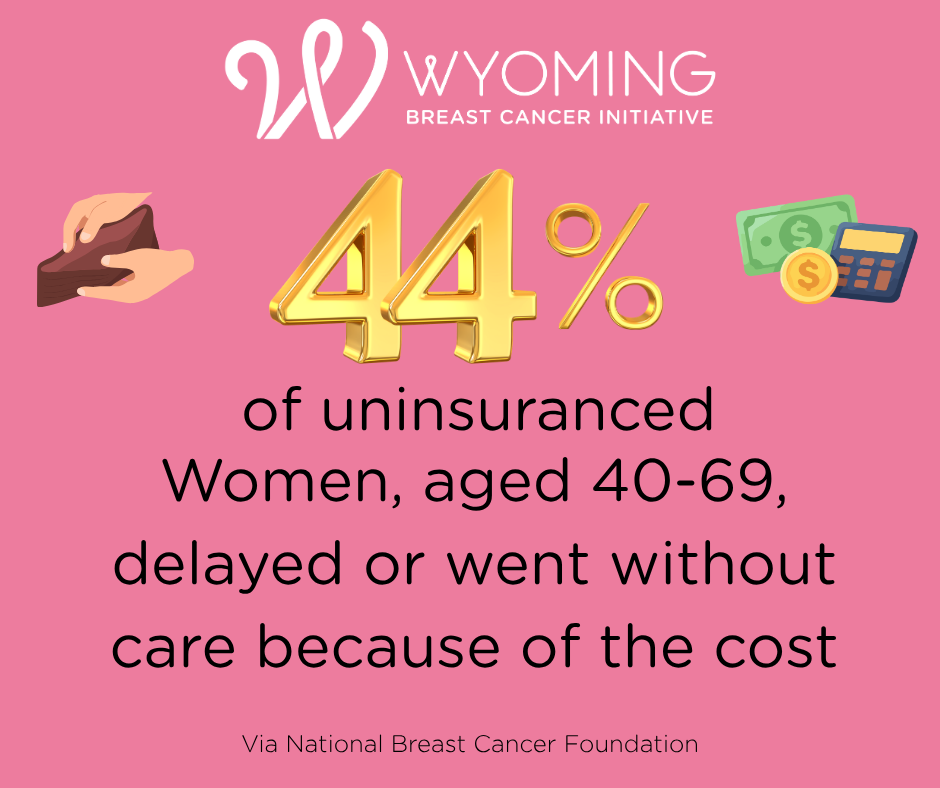
Breast cancer has consistently been one of the most expensive cancers in the United States. A 2022 survey of 1,500 women found that 47% of patients had serious financial burdens; A third say they have even reduced basic necessities to cover out-of-pocket costs, and half avoid medical care for other health issues because of the current cost of their cancer care or their cancer-related debt.

At the same time that breast cancer is so expensive to screen for, treat, and maintain remission, women in America are already at a financial disadvantage. Women are more likely to work in an occupation that does not offer benefits like health care and pays women less than their male counterparts.

This economic burden has inspired many resources to try and alleviate the weight on women’s shoulders. That way, women can focus on their health rather than their wallet.

Statistics and information amalgamated from multiple sources, including: National Breast Cancer Foundation, American Cancer Society, Susan G. Komen for the Cure, CDC, and Breast Cancer.org.
National Resources

National resources include screening, education, treatment, and support groups.
Let us know if there is a resource you know of that is not on this list.

Wyoming Breast Cancer Statistics

The estimated number of eligible women who need a mammogram in Wyoming, according to the Wyoming Department of Health.
The estimated number of Wyoming women who will be diagnosed with breast cancer in 2026, according to the Wyoming Department of Health.

Wyoming is LAST for breast cancer screenings in the nation

Only 65% of Wyoming women have had a consistent mammogram in the past two years, according to American Health Rankings
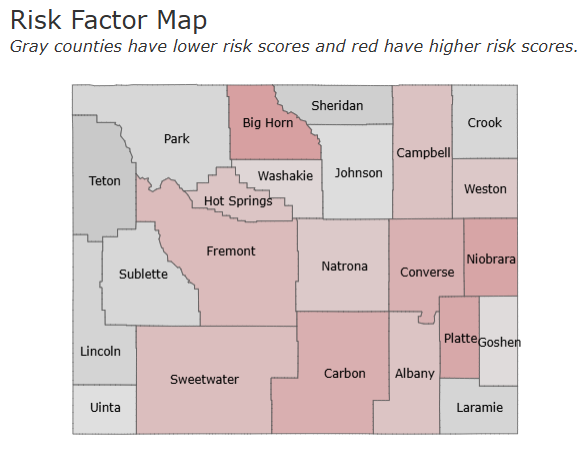
Map provided by Tableau Public. Stats and information aggregated from the Wyoming Department of Health 2023 annual report, Good Rx, American Health ranks, and Healthinsurance.org.
There is no correct answer for this question. We can only speculate right now without proper research.

Some barriers to breast cancer screening include: distance (to both a mammogram machine and radiologists) and the cost of going the distance to be screened, the cost of deductibles and copays, an elevated service industry (occupations that lack health insurance), and the culture of “cowboy code” where preventative care is often brushed off until it’s too late.

WBCI is working hard to help eliminate these barriers through financial assistance and education.

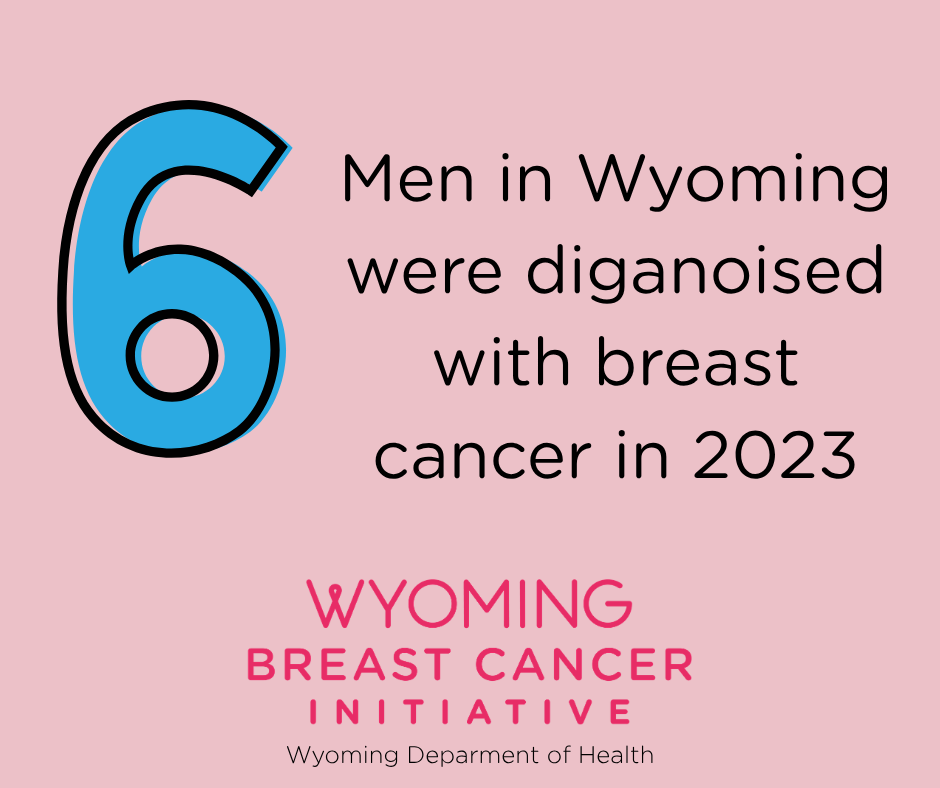
For every 100,000 Wyomingites, 124.8 will be diagnosed with Breast Cancer per year. In 2023, the last year of reporting, 469 individuals were diagnosed with breast cancer.

Breast cancer is the second most common and the fifth deadliest cancer in Wyoming

According to a study done by Good RX, Wyoming has the highest healthcare desert in the nation: 87% of Wyomingites live in some form of healthcare desert. This is particularly impactful for specialized healthcare, like oncologists and cardiologists. Similarly, Wyoming has fewer than 30 mammography machines in the state. This compares to states like Colorado, which have over 100 certified mammogram machines/programs.

This healthcare desert creates a large barrier to healthcare. Women have to travel not only for treatment but often for screening. It is often a cost that women do not have time or finances to worry about. Similarly, the distance makes finding a community of women going through similar situations a bit harder. That is why WBCI funds programs that focus on gas cards and survivorship programming around the state.

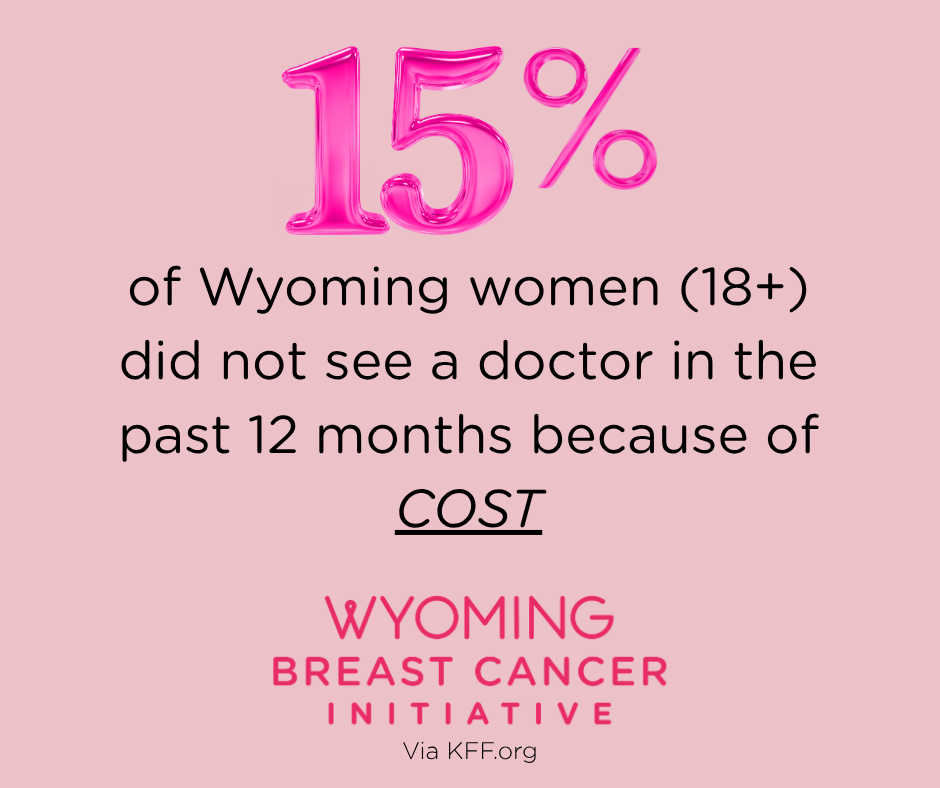
Wyoming has one of the largest gender wage gaps in the country. Women are overrepresented in non-insurance service positions in Wyoming. Unlike other states, a portion of healthcare costs includes travel and lodging because rural communities lack cancer-specific healthcare centers.

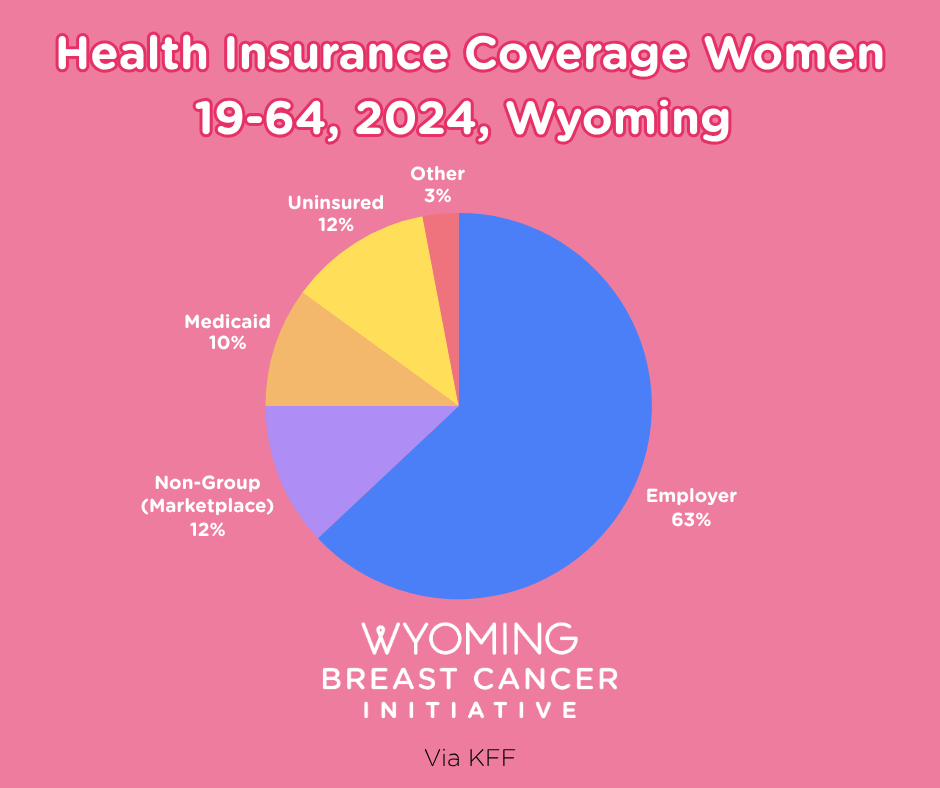
Wyoming also has one of the highest insurance rates for marketplace insurance plans. Healthinsurance.org states that Wyoming has one of the most expensive premiums. And while the state is arranging a taskforce to address these claims, it may take years to see the effects.

While Medicaid and Medicare rates are lower than standard employment and marketplace insurance, they still require heavy deductibles and often do not cover the cost of additional/diagnostic testing such as ultrasounds and MRIs. [10% of women require additional testing after an initial mammogram, but only 1 in 10 of the 10% actually find cancer.]

Wyoming Resources